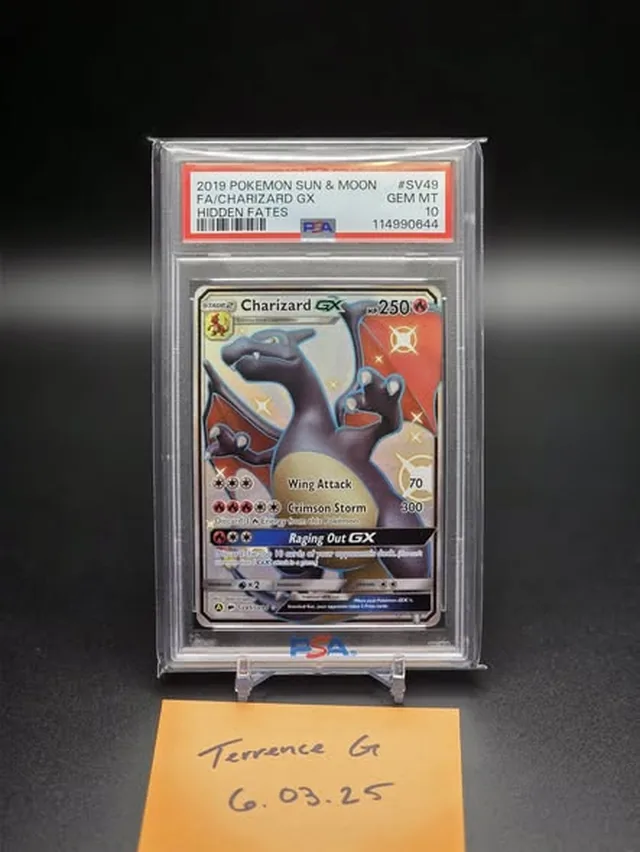
Learning how to check Pokemon card value starts with identifying the exact card, not searching its character name alone. Set, collector number, language, rarity, foil pattern, and edition can separate cards that look similar but sell at very different prices. Treat any estimate as a snapshot of recent market activity, not a guaranteed future value.
Identify the exact Pokemon card first
Read the set symbol and collector number, then compare the artwork, rarity mark, language, and card variant. Promo cards, reverse holos, alternate artwork, and first-edition or shadowless versions may need separate comparisons. If a detail is difficult to read, use clear front-and-back photos or ask a knowledgeable seller before relying on a price result.
- Record the Pokemon name and card number.
- Match the set, language, rarity, and foil or artwork variant.
- Separate promo, reprint, and special-edition versions.
- Confirm that the reference image shows the same card, not a similar printing.
Use recent sold prices, not just asking prices
Active listings show what sellers hope to receive; completed sales show what buyers recently paid. Compare several recent sales for the same version and similar condition. Remove obvious outliers, account for currency and shipping, and note the sale date. For scarce cards, the available sample may be small, so widen the date range carefully and explain that uncertainty in your estimate.
Compare condition and graded copies fairly
Condition can change a card price substantially. Review centering, corners, edges, surface, creases, whitening, and the quality of the listing photos. A seller Near Mint label is not the same as a grading-company score. Compare raw cards with raw sales and slabs with the same grading company and numeric grade; do not assume grading will increase the final value.
Account for fees, demand, and liquidity
A useful Pokemon card price estimate also considers selling fees, postage, insurance, taxes, and the time needed to find a buyer. A high asking price is not proof of strong demand. Look for repeated completed sales and consider whether several buyers are active at comparable prices. If you are deciding whether to submit a card for grading, compare the possible graded outcomes with the raw value and total submission cost first.
Common Pokemon card value guide mistakes
- Using a price for the wrong set, language, or card variant.
- Treating an unsold listing as evidence of market value.
- Comparing a damaged raw card with a high-grade slab.
- Ignoring fees, shipping, and condition differences.
- Assuming a recent spike or a character name guarantees future demand.
A simple card value checklist
- Identify the exact printing and card number.
- Assess condition from clear photos.
- Compare multiple recent sold prices for matching copies.
- Separate raw and graded results.
- Write down your estimate range and the date you checked it.
Use this process to build a more realistic Pokemon card value estimate before buying, selling, or grading. For a buying framework, continue with our guide to the best Pokemon cards to buy and browse current Pokemon card singles.