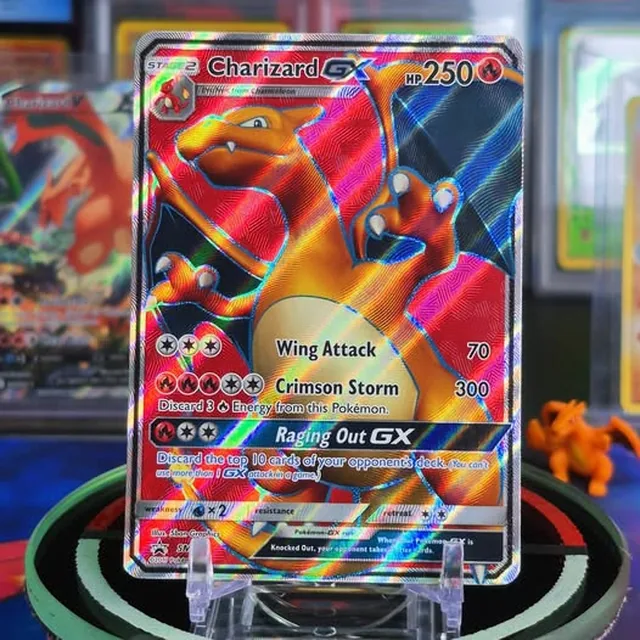
The best Pokemon cards to buy are not always the cards receiving the most social-media attention. A stronger buying decision combines collector demand, condition, scarcity, recognizable characters, and a price you can hold comfortably. This framework helps new collectors avoid impulse purchases while giving experienced buyers a repeatable way to compare singles and sealed products.
How to choose the best Pokemon cards to buy
Decide whether you are building a character collection, buying cards for display, preparing a grading submission, or holding sealed inventory. Each goal changes what “best” means. A collector focused on display may prefer an iconic Charizard or Pikachu card, while a grading-focused buyer should prioritize centering, surface quality, corners, and a clear condition description. Set a maximum monthly budget before comparing listings so a short-term price spike does not control the purchase.
- Reserve part of the budget for shipping, sleeves, and protective storage.
- Separate a core collection budget from speculative or trend-driven purchases.
- Compare the total delivered price, not only the listing price.
- Keep enough cash available to buy when a genuinely strong condition copy appears.
Use demand, liquidity, and condition together
Demand is the number of people who want the card; liquidity is how easily you can find a buyer at a fair market price. Fan-favorite Pokemon, recognizable artwork, playable staples, and cards connected to popular sets often have broader demand than obscure cards with a temporary price spike. Condition then separates comparable copies. A near-mint raw card, a graded card, and a visibly worn copy should never be treated as the same asset.
- Check recent sold prices when available instead of relying only on active listings.
- Ask for clear front, back, surface, and corner photos on higher-value cards.
- Treat grading as a cost decision: card price plus grading, shipping, insurance, and time.
- Prefer sellers with clear condition language and a written return policy.
Singles versus sealed Pokemon products
Singles are usually the efficient choice when you want a specific character or artwork. Sealed products offer opening entertainment, display value, and a different risk profile, but they require more storage and patience. A balanced collection can use singles for focused goals and one carefully selected sealed product for variety. Avoid assuming that an expensive product is automatically scarce or that a low price guarantees value; verify the set, packaging, and market context first.
A simple Pokemon card buying checklist
- Name the exact card, set, language, and condition you want.
- Compare at least three recent market references.
- Inspect authenticity signals, photos, seller policies, and shipping protection.
- Buy the cleanest copy that fits your budget rather than the first available copy.
- Record the purchase price and condition so you can evaluate the collection honestly later.
For a practical starting point, browse the current Pokemon TCG singles and sealed inventory, then use the product details and policy pages to compare each purchase before checkout.